The gate guard who knew every machine before we ever flew the yard
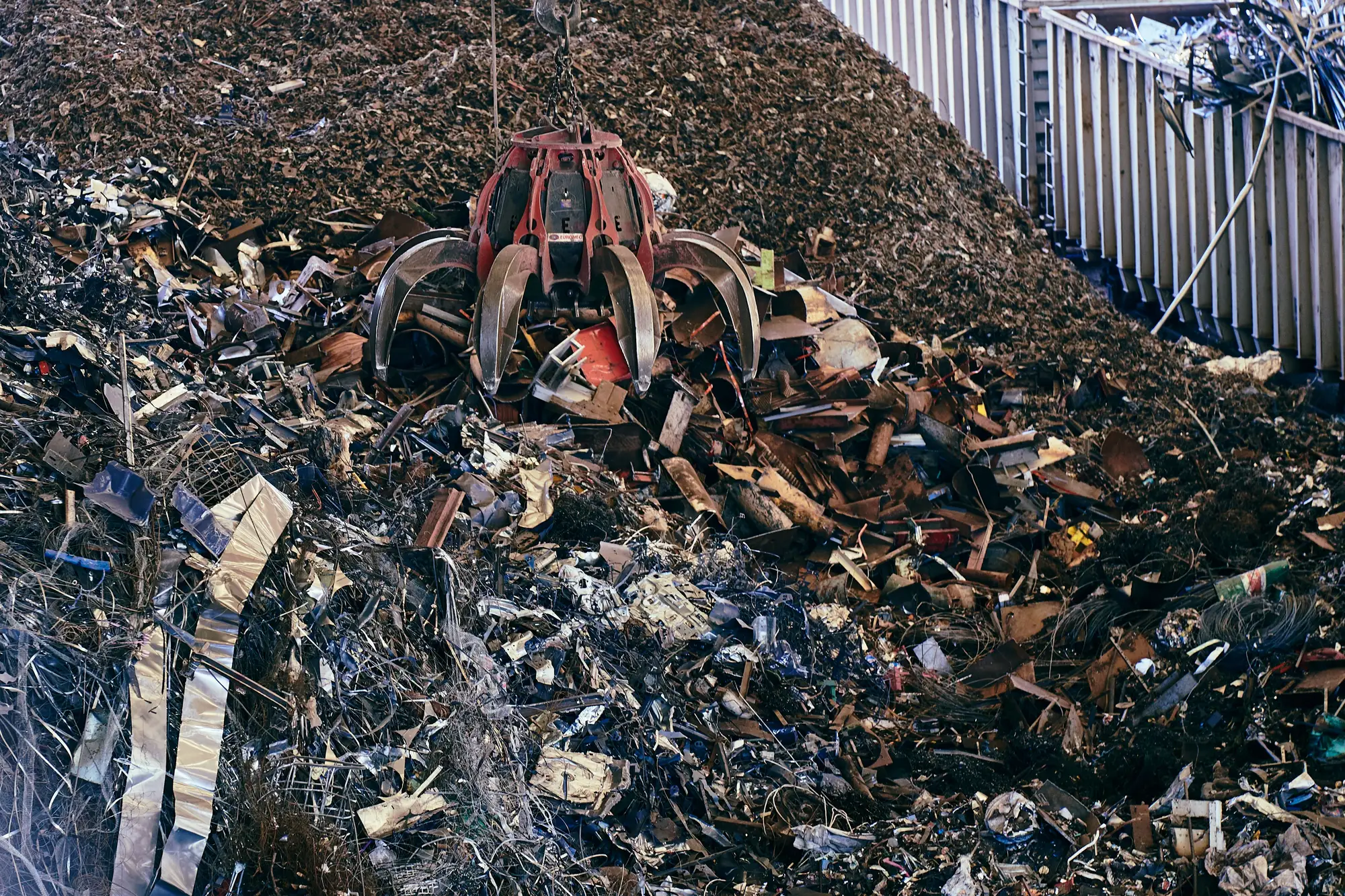
We showed up at a yard outside Joliet to walk a site before a pass, the kind of visit where you're just getting eyes on the layout before the imagery does its job. The guard at the shack, a guy who'd clearly been there longer than the current owner's logo on the sign, didn't need a clipboard.
"You're counting iron? We got the 850 by the ferrous pile, the Fuchs down at the rail spur, two wheel loaders that rotate depending on who shows up for shift, and the old 830 that only runs when the good one's down for service." He said it without looking up from his coffee.
That's a man who has clocked every piece of equipment on that property for years. He knows which machine runs the magnet, which one's stuck with the grapple because the hydraulics on the other arm never got fixed right, and which loader driver takes it easy on the tires versus which one doesn't care. None of that is in any filing, any permit, any annual report. It lives in his head, and in the heads of two or three other guys who've worked that gate or that scale house long enough to stop noticing the machines as anything but furniture.
That kind of knowledge is real and it's accurate, and it's completely useless to you if you're sizing up a market from three states away. You can't call every gate guard at every yard in a region and ask them to rattle off the fleet. Most wouldn't tell you anyway, and the ones who would are being friendly with a stranger holding a clipboard, which raises its own questions about what else they'll tell you that isn't quite right.
What struck me, walking back to the truck, was how much of this industry still runs on exactly that kind of local memory. A regional sales team covering scrap accounts knows their own territory the same way, which yards added a second shredder line, which ones are running an old crawler crane because the budget for a new material handler keeps getting pushed. But that knowledge has edges. It's strong where someone's been calling on an account for ten years and it's thin or flat wrong the moment you're looking at a yard two hundred miles outside their patch, or a yard that just changed ownership and nobody's updated the relationship yet.
So when you're trying to figure out where the actual iron is concentrated across a market, whether that's for territory planning, dealer network coverage, or just figuring out which yards are running old enough equipment to be worth a call, you're stuck choosing between asking people who know a little bit extremely well, or flying blind across everyone else. Neither gets you a count you can actually plan around.
That gap is the whole reason we started looking at scrap and recycling yards from directly overhead instead of from the gate shack. A quarterly pass over a market doesn't know who's friendly or who's had a bad day. It just counts what's sitting in the yard: how many material handlers, how many wheel loaders, how many crane-type units, yard by yard, refreshed every quarter so you're not working off a headcount from two years back when the fleet's already turned over twice.
The guard at that Joliet yard is still going to know his own lot better than any image ever will. What he can't do is tell you about the yard forty miles down the road, or the one that just put in a new nonferrous line last spring. For that, you need something that covers the whole market the same way, pass after pass. That's the piece Scrapyard Fleet Mapping is built to cover, with per-yard counts for every gate in the territory.
If you're trying to size a scrap market before you ever knock on a gate, that's the place to start.