Blog
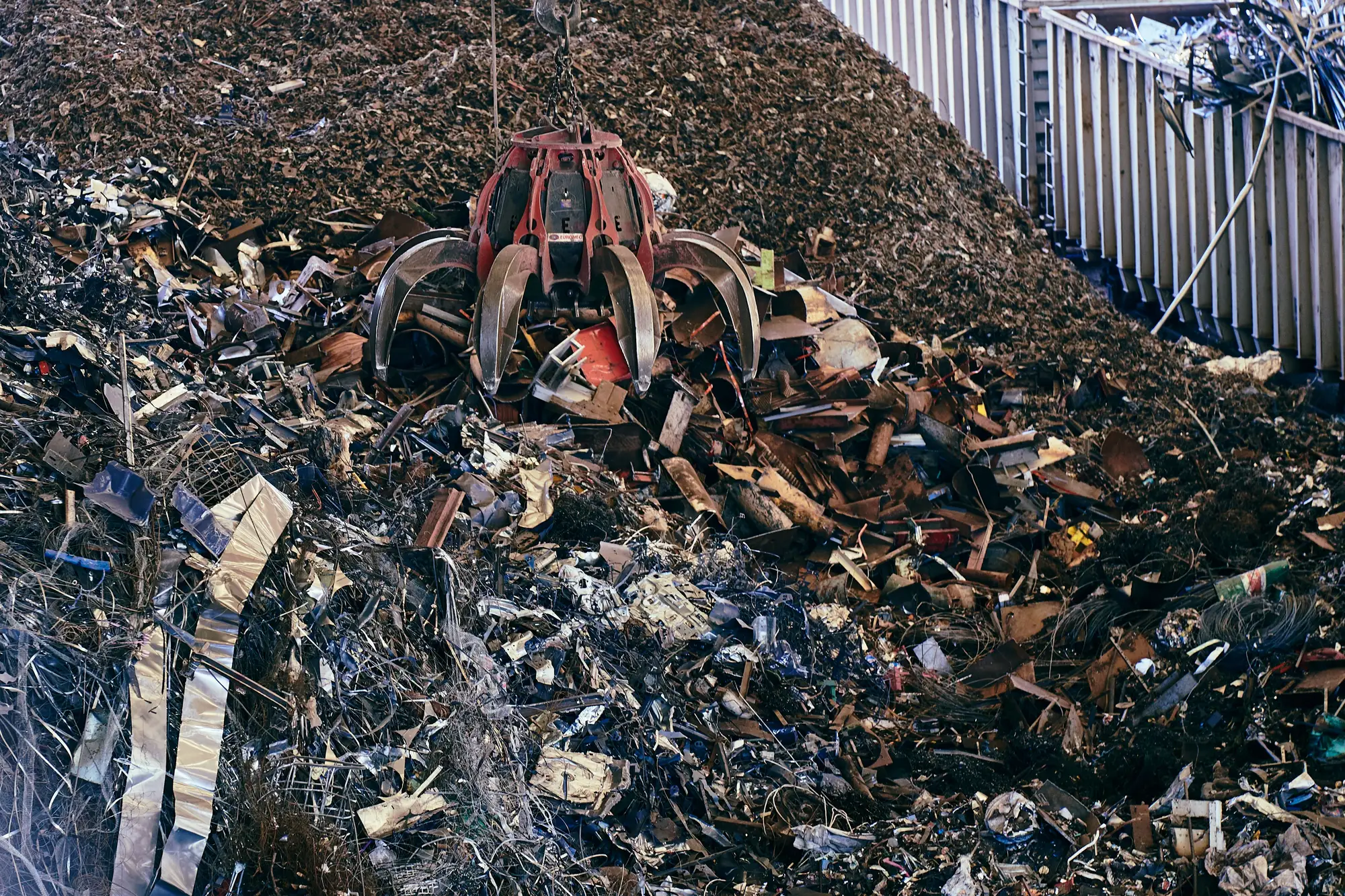 The gate guard who knew every machine before we ever flew the yard
A field note from a scrap yard visit, on how one gate guard's memory for machines points at what quarterly fleet counts are really solving.
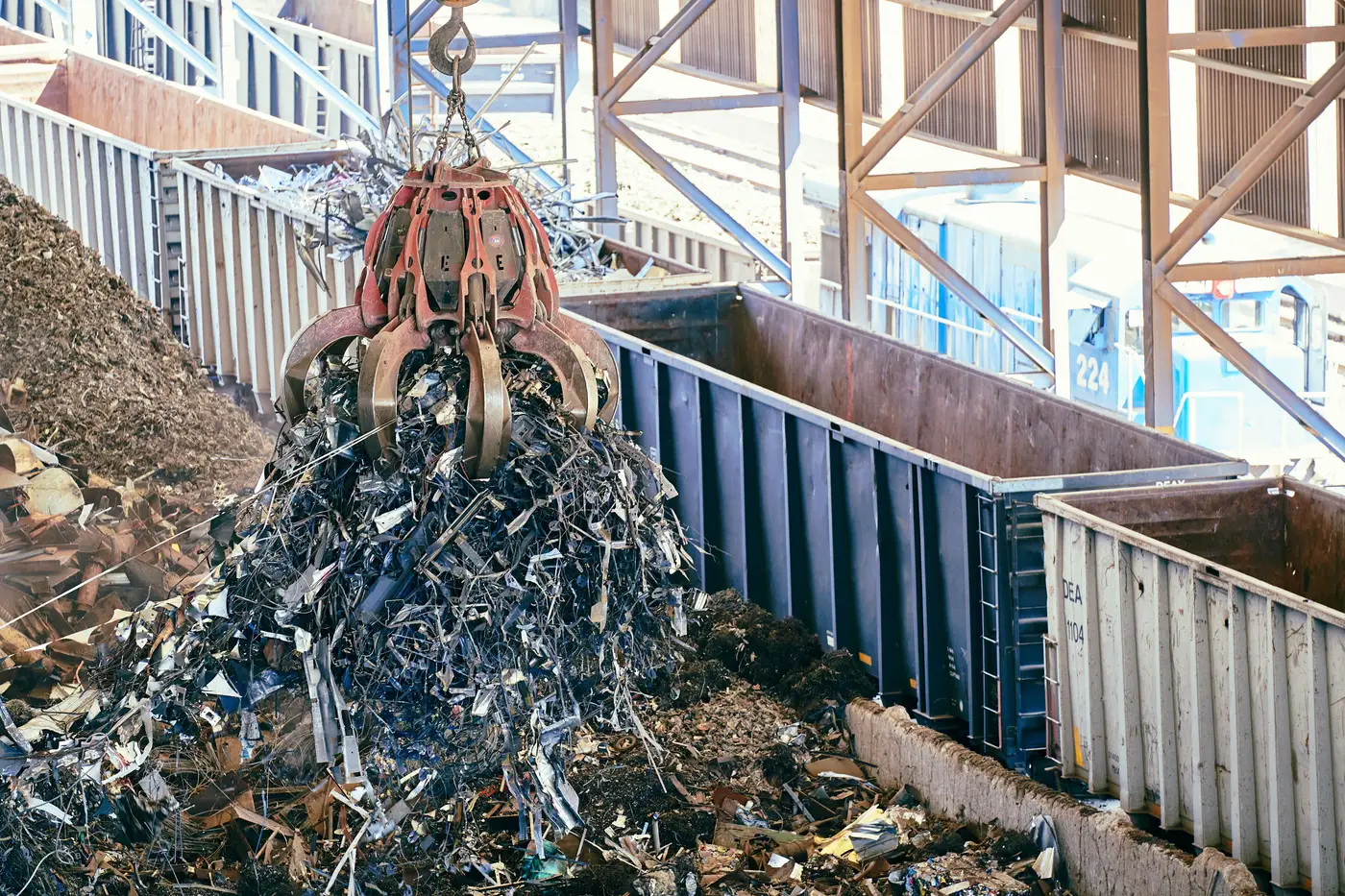 Telling a Sennebogen from a Fuchs material handler from above
How to read cab height, boom geometry and undercarriage shape to tell Sennebogen, Fuchs and Liebherr material handlers apart in satellite imagery.
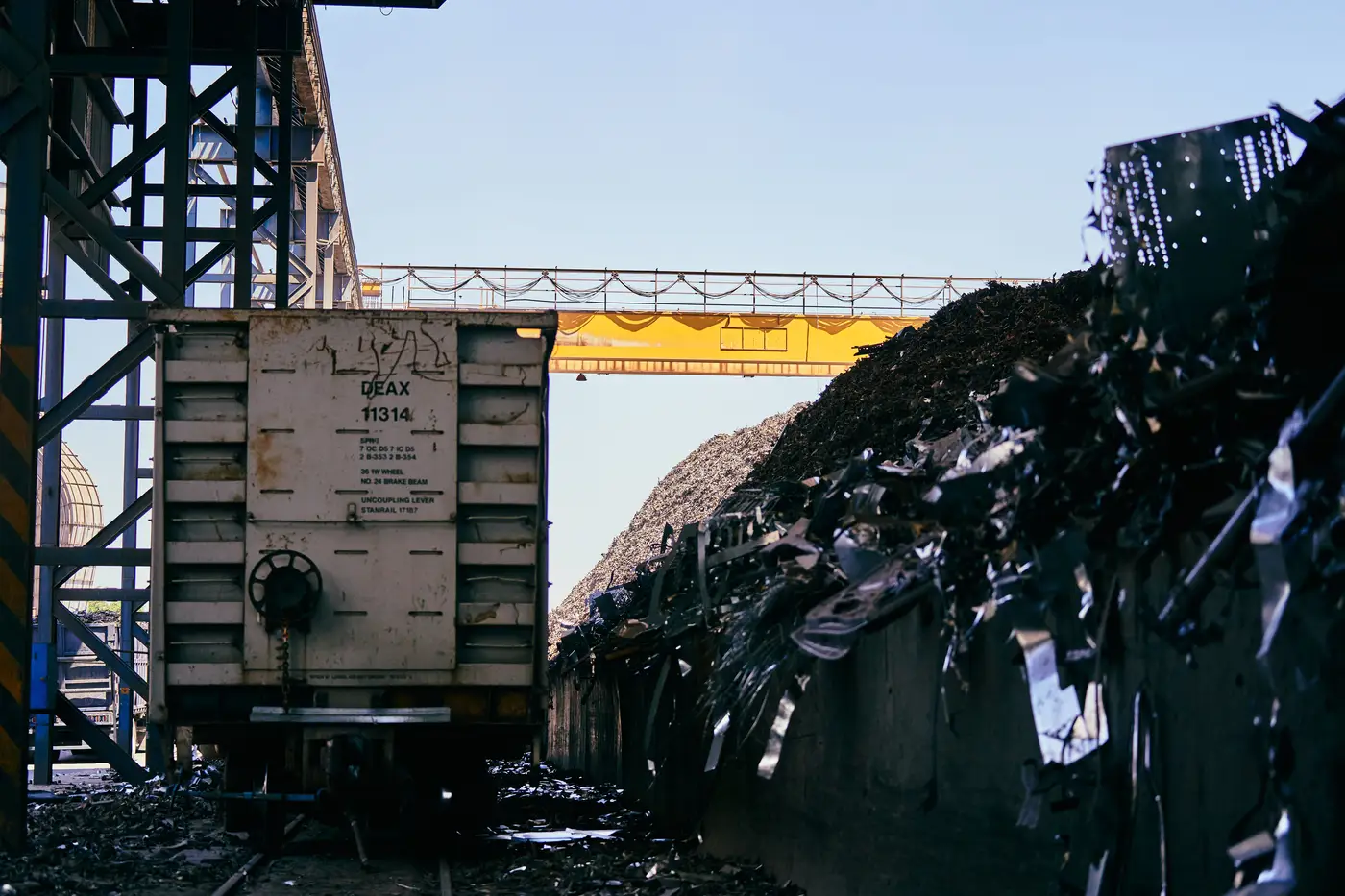 Barge-served vs. rail-served scrap yards: spotting the difference from overhead
How to tell a barge-served scrap yard from a rail-served one in satellite imagery, by dock structure, rail spur layout, and crane type.
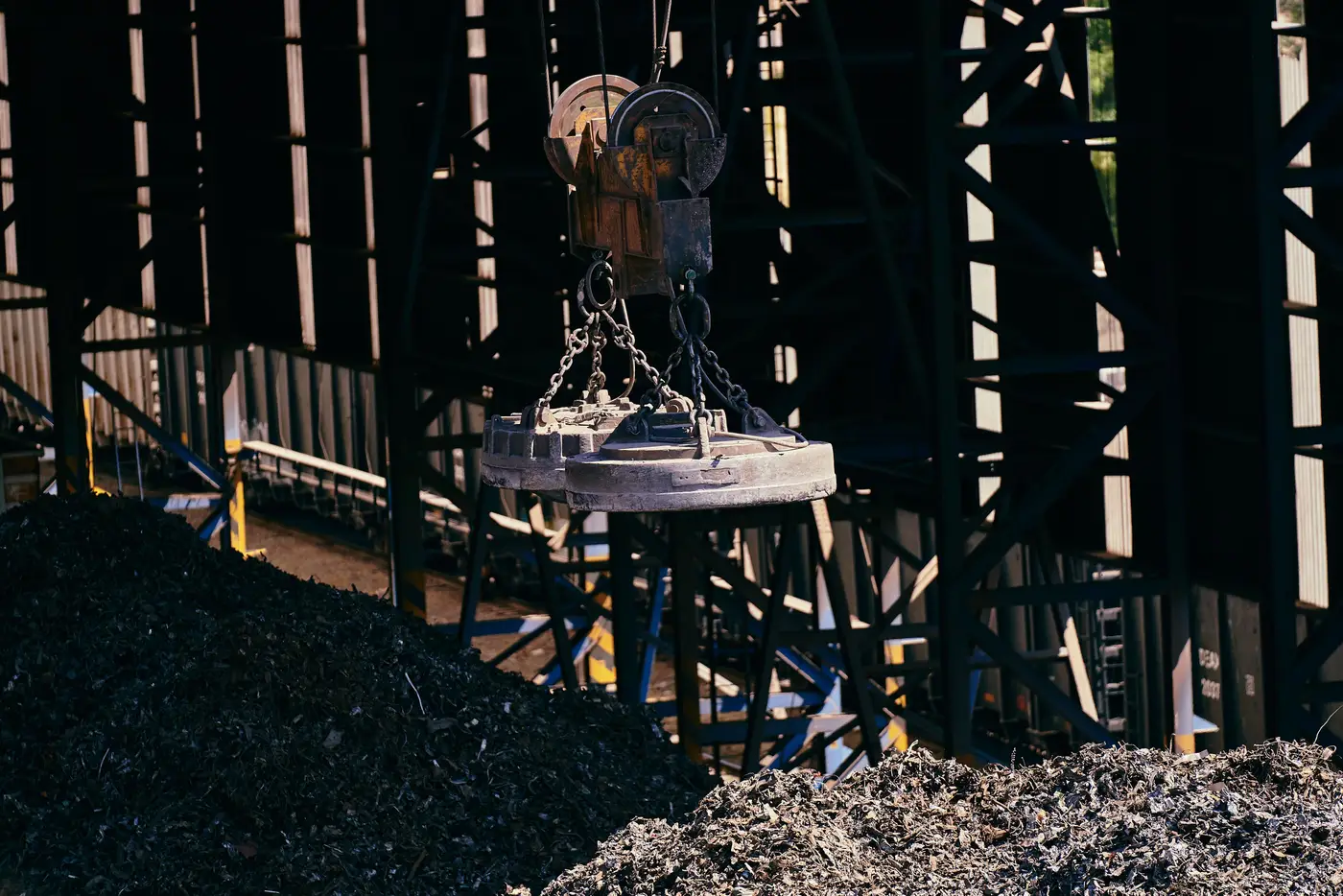 What counts as crane-type equipment in a scrap yard fleet count
A working definition of crane-type equipment in scrap yards: gantry, pedestal, and how grapple cranes differ from material handlers.
- Field notes: the week copper spiked and a yard added a second handler
A field note on how fast a scrap yard's equipment count moves when copper prices jump, and why that move is usually invisible until too late.
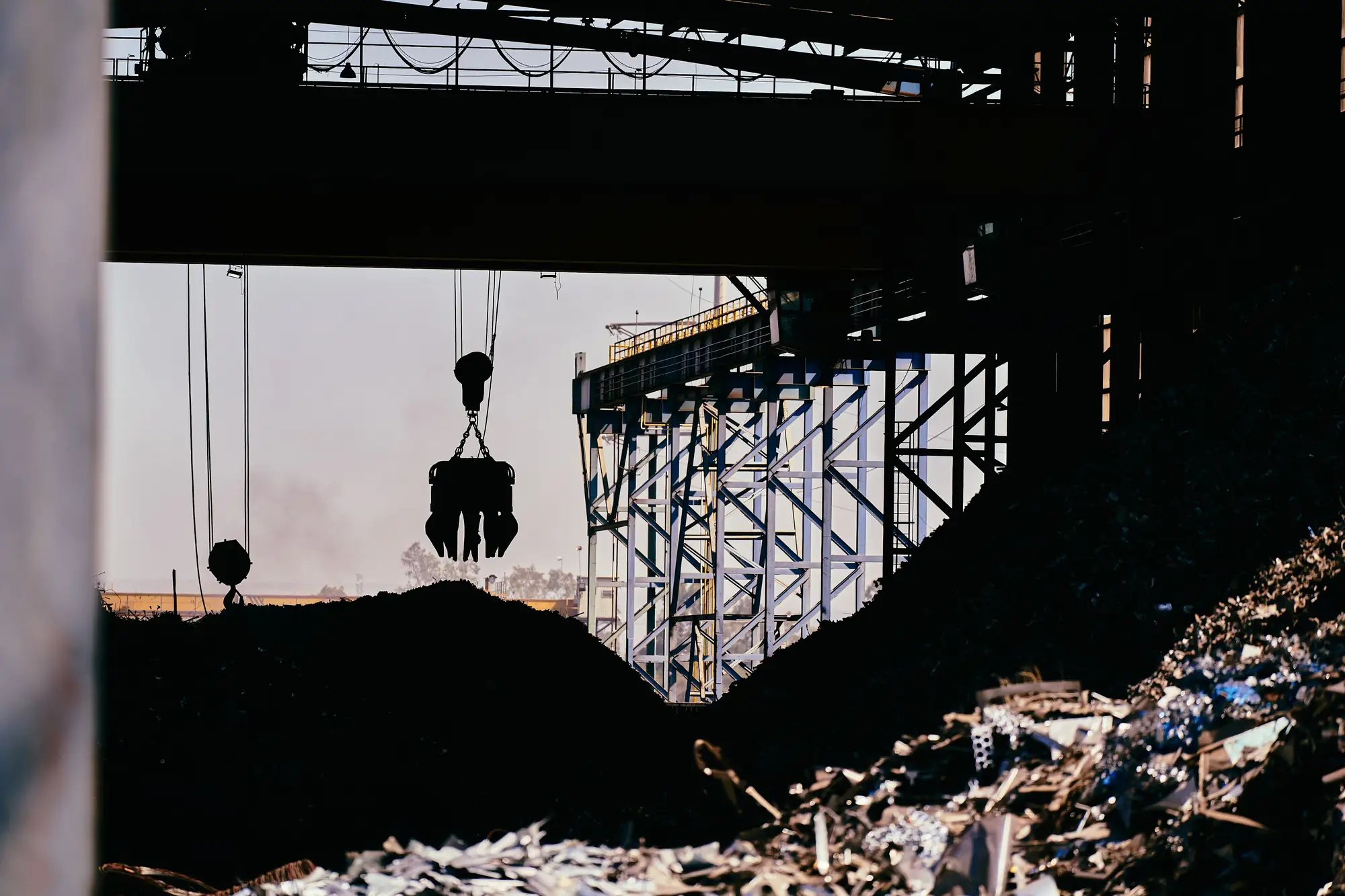 What a radial stacker is, and why it runs next to the material handlers
A radial stacker builds stockpile volume off a processing line while material handlers keep sorting and loading. Here's why scrap yards run both.
- How many material handlers does a typical scrap yard run?
How many material handlers a scrap yard runs varies by throughput, commodity mix, and layout. Here's the real range, yard to yard.
- What a shredder infeed does to a scrap yard's machine count
A shredder's infeed conveyor sets the ceiling on tons per hour, and that ceiling sets how many handlers a yard needs.
- Field notes: the yard that doubled its crane count before the first truck showed up
A yard added a second material handler months before inbound volume justified it. What that pattern usually means, and why it shows up on the ground first.
- Stationary shear vs mobile shear: reading a scrap yard from overhead
How to tell a pad-mounted stationary shear from a mobile shear attachment in scrap yard satellite imagery, plus shear vs grapple tells.
- Baler vs shear: how to tell them apart in satellite imagery
How to spot a baler versus a shear from overhead imagery before you ever walk the scale house, using the stockpile and the structure.
- How many car crushers does a typical auto recycling yard run?
Most auto salvage yards don't own a car crusher at all. Here's what sits in the yard instead, and why the crusher usually belongs to someone else.
- Purpose-built scrap handler vs. converted excavator in satellite imagery
The visual tells that separate a true Sennebogen or Fuchs-class material handler from a grapple-retrofit excavator when you're reading a yard from above.
- Material handler vs wheeled loader: telling them apart from overhead
How to classify material handlers, wheeled loaders and crane-type machines in scrap yards from VHR overhead imagery, pedestal boom vs bucket.
- Magnet or grapple? Telling material handler attachments apart
The visual cues that separate an electromagnet from a grapple on a scrapyard material handler, and what the difference tells you about the yard.
- Pedestal-mounted vs. mobile material handlers: telling them apart in satellite imagery
How to spot a stationary material handler versus a mobile unit in VHR satellite imagery, and why the difference matters when sizing a scrap yard.
- Telling a scrap yard from an auto salvage yard in aerial imagery
How to read aerial and satellite imagery to tell a ferrous scrap processor apart from an auto salvage yard before you ever drive out.
- What is an ISRI yard classification, and why does it matter for equipment sizing?
ISRI membership categories describe a yard's business type. They don't describe its size, which matters once you're sizing equipment opportunity.