How many material handlers does a typical scrap yard run?
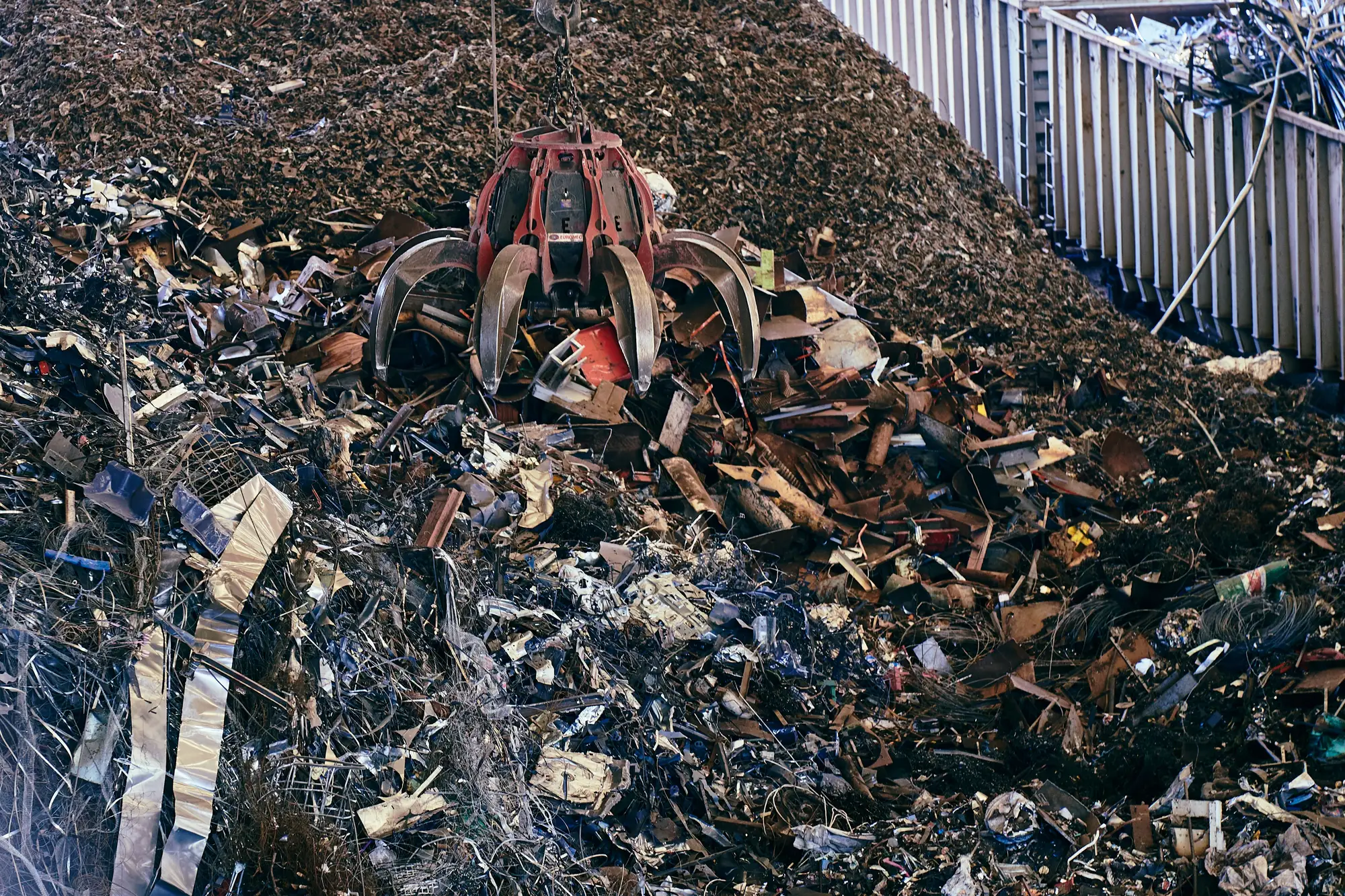
A scrap yard's fleet size is one of those numbers everybody in the trade guesses at and nobody actually tracks. Ask five people in the business how many material handlers a "typical" yard runs and you'll get five different answers, because it depends on what the yard processes, how the material moves, and how much ground the operation covers.
Still, there's a rough shape to it, and it's worth laying out before you try to use any single number as a benchmark.
What drives the count
A few things push a yard's material handler count up or down more than anything else:
Throughput matters most. A yard turning over a few hundred tons a week doesn't need the same iron as one feeding a shredder around the clock. Commodity mix matters too. A yard running mostly ferrous drop-off and load-out can often get by with fewer, bigger machines than a yard sorting mixed nonferrous by hand, where you tend to see more units doing smaller, more specialized jobs.
Layout plays a role as well. Yards with multiple grapple stations, separate processing lines, or rail and barge loadout alongside truck traffic usually run more equipment just to keep material flowing between stations. And plenty of yards blend wheeled loaders for stockpile work with purpose-built material handlers for sorting and truck loading, so the "material handler count" and the "total equipment count" aren't the same question.
Rough ranges, yard to yard
With those variables in mind, here's roughly what you tend to see on the ground:
A small dealer or peddler yard, the kind buying from the public and running a scale and a grapple or two, often gets by with one or two material handlers.
A mid-size processing yard, sorting and shipping multiple grades with some auto-dismantling or light shredding on site, more commonly runs somewhere in the three-to-six range, frequently paired with a wheeled loader for yard work.
A large shredder-fed or auto-recycling operation can run eight, ten, or more pieces of iron across the property, especially once you count the cranes doing rail or barge loadout and the loaders moving shred.
None of that is a citation. It's just the pattern you'll see if you drive enough yards, and it should be treated that way, not as a figure to plug into a territory model.
Why one benchmark number won't hold up
Here's the problem with trying to pin a single "typical" number on this. Two yards sitting a few miles apart in the same metro can run very different fleets because one took on a shredder contract and the other didn't, or because one has three acres and the other has thirty. A number pulled from a trade article, an old site visit, or a competitor's own marketing tells you about that one yard. It doesn't tell you what's sitting on the ground across a whole market, and it definitely doesn't tell you which yards have grown their fleet since the last time anyone drove by.
If you're sizing up a scrap and recycling market before you start making calls, a rough industry range isn't much to go on. Scrapyard Fleet Mapping counts and types the material handlers, wheeled loaders, and crane-type equipment at every yard in a market on a quarterly pass, so the fleet size you're working from is the one parked there, not an average pulled from somewhere else.
If territory planning is on your desk this quarter, it's worth seeing what that per-yard count looks like for your own patch.