Field notes: the yard that doubled its crane count before the first truck showed up
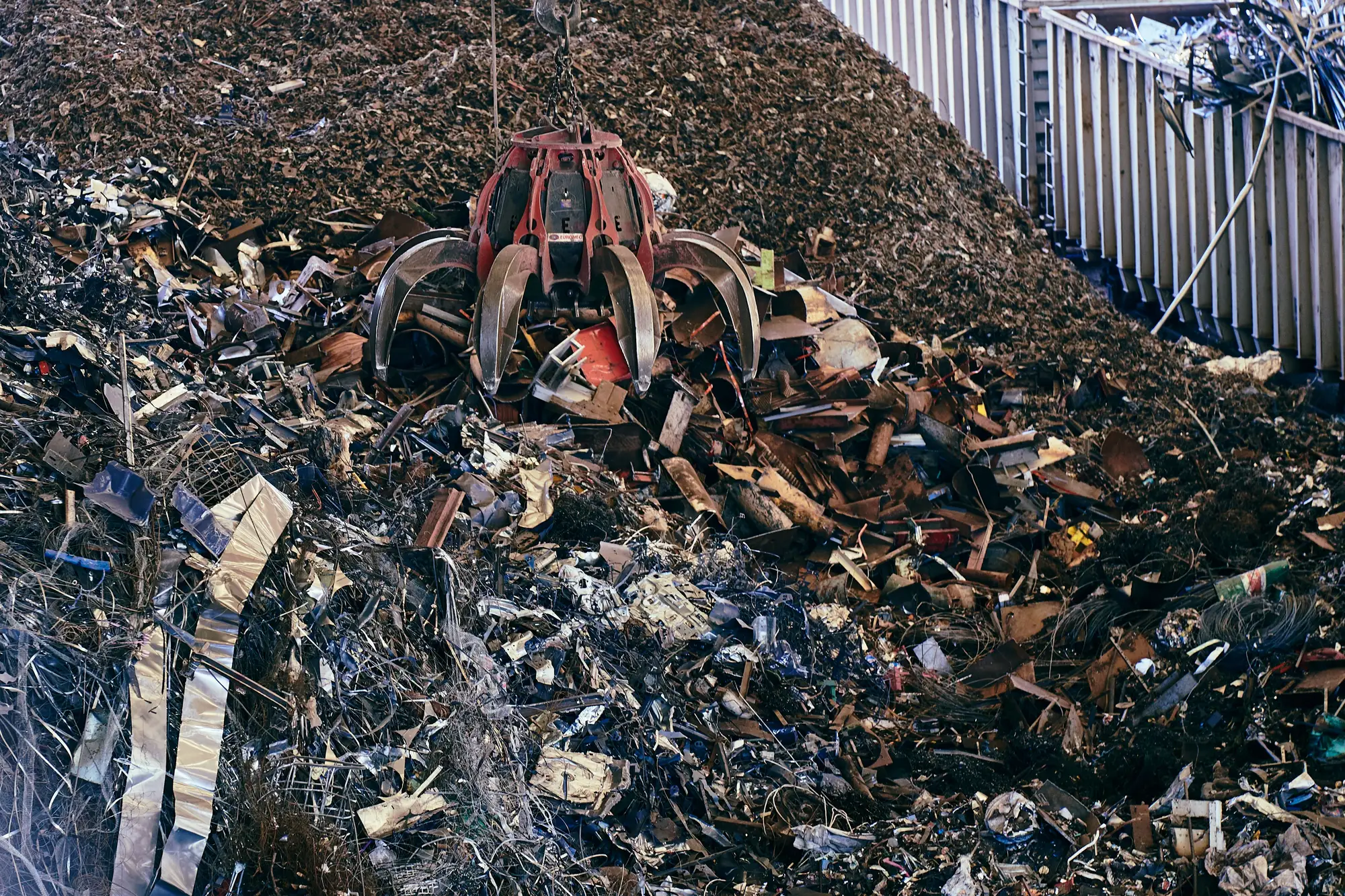
A regional yard we track added a second material handler to its pad in late spring. Nothing else about the place changed that anyone could see from the road. The scale house traffic looked the same. The baler ran the same hours it always had. But there it was, parked next to the Sennebogen that had worked that yard alone for three years: a second machine, grapple-equipped, sitting on fresh gravel that hadn't been there the quarter before.
Three months later the yard put in a second scale. Six months after that, they leased the adjacent lot and started stacking shred-grade ferrous in a pile big enough to need its own access road.
This is the pattern worth knowing if you sell into this segment. Fleet moves before revenue does, because the guy running the yard isn't buying equipment to handle what's coming through the gate today. He's buying it to handle what he's already committed to taking in, based on a contract that hasn't started yet or a buyer relationship he's been working for a year. The crane shows up on the pad weeks or months before the trucks show up at the scale. By the time inbound tonnage actually moves the needle on anyone's radar, the yard has already placed its order, financed it, and taken delivery.
Ask anyone who's worked this territory a long time and they'll tell you the same thing in different words. The yard super doesn't wait until he's drowning in material to add capacity. He adds it ahead of the curve, because a material handler has lead time and a backlog of inbound scrap doesn't wait for equipment to catch up. If he's doubling his crane count, he already knows something about his next six months that hasn't hit anyone's spreadsheet yet.
That's a hard thing to catch from a windshield survey or a quarterly trip through your territory. You might drive past that yard in January and see one machine. You might not get back out there until August, by which point the second machine has been earning its keep for half a year and some other OEM rep already wrote the order for it. Scrap yards don't put out press releases when they expand. They don't call their equipment reps to brag about tonnage projections. The crane just shows up.
What made this particular yard worth mentioning was the timing. The equipment arrived before any of the usual signals: no uptick in rail cars at the nearby spur, no new weigh tickets in the public permit filings, nothing in the local paper about a new buyer contract. If you were waiting for the obvious signs, you'd have been three months behind the yard that was already placing its second order with somebody.
That's the whole argument for watching fleet counts on a regular cadence instead of treating a market as settled once you've mapped it. A yard that had one material handler on your last pass and two on this one just told you something about its trajectory that its scale tickets won't confirm for another two quarters. You can treat that as a lead, or you can wait for the yard to tell someone else first.
Scrapyard Fleet Mapping runs that comparison across every yard in a market on a quarterly basis, counting machines by type so a jump like this one doesn't sit unnoticed until a competitor's already got the account.
If you've got a territory you haven't re-counted since spring, it might be worth a fresh pass before someone else makes the call you were about to make.