Field notes: the week copper spiked and a yard added a second handler
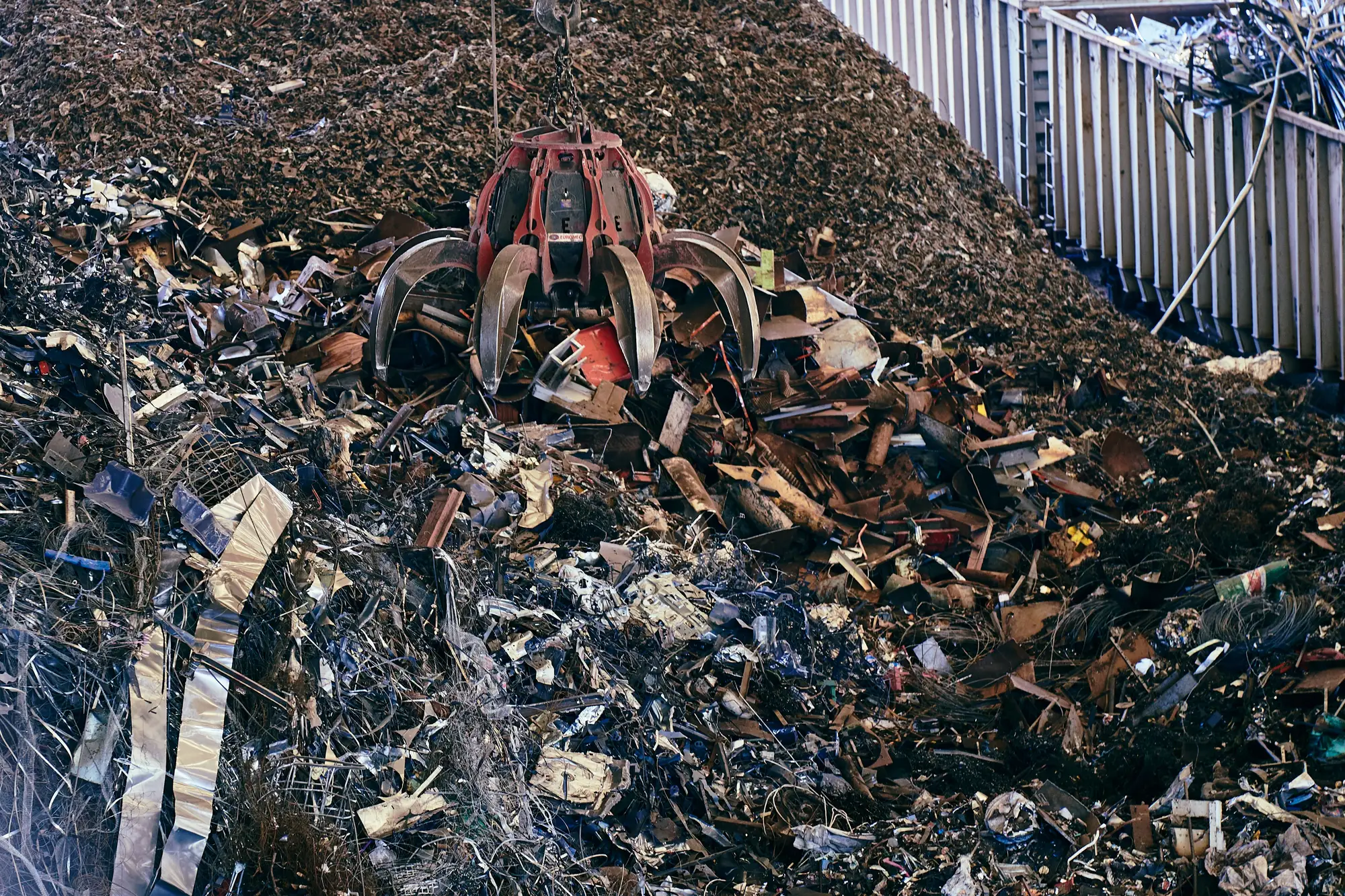
Copper broke through a level a few weeks back that got every peddler and small-lot hauler in the region talking at once. Nothing dramatic happened at first. Then a yard on the east side of town, one that had run a single Sennebogen on its non-ferrous line for as long as anybody could remember, had a second material handler parked next to it inside about ten days.
I only know this because I drove past on my way to a call. If I hadn't, I wouldn't have known until the next time I was in that territory, which could have been a month out.
That's the part of this business nobody talks about enough. The commodity move is public. Everybody sees the same LME number on the same screen. What's not public is who moved first on it, how fast, and by how much. A yard that adds a second handler is telling you something real: inbound tonnage jumped enough that one machine working the dock can't keep pace with the scale house anymore, or they're staging for a bigger non-ferrous push and want a second grapple ready before the next price window closes. Either way, that's a yard with more throughput than it had a month ago, and throughput is exactly the thing a sales territory gets built around.
The old way of catching this is to drive the loop. Every rep I know has a mental route, the yards they swing past every few weeks just to eyeball the lot. It works, sort of. It also means your information is only as fresh as your last drive-by, and it's completely blind to the yards that aren't on your regular loop, which in most territories is most of them. You find out a competitor's account added capacity when their driver tells your driver at a truck stop, three weeks after the fact.
What the copper spike actually did, if you zoom out, was separate the yards into three groups almost overnight. The ones that added a second or third unit because they had the yard space and the balance sheet to move fast. The ones that wanted to but didn't, because their lot is already packed wheel loader to crane and there's nowhere left to stage a new machine. And the ones that didn't move at all, which tells you something too, usually that they're running thin on working capital or they're captive to a single mill contract and don't have the flexibility to chase a price window.
Three very different conversations, three very different sales approaches, and right now the only way most reps can tell which bucket an account falls into is by driving there or by waiting for a phone call that may never come.
This is the part where a quarterly pass over every yard in a market earns its keep. If you can see, yard by yard, how many material handlers, wheeled loaders and crane-type units are sitting on a lot this quarter against last quarter, the copper spike stops being a rumor you heard at a truck stop and becomes a list. The yards that added a handler go to the top of the call sheet. The yards that stayed flat tell you something about their appetite or their cash position before you ever dial the number. That's the whole idea behind a quarterly fleet count broken down by machine type, and it's worth building into your territory routine if you're tired of finding out about a competitor's expansion secondhand.
Copper will come back down, same as it always does, and most of the yards that added a handler during the spike will keep running it, because once the dock needs two machines it rarely needs one again. The yards worth calling next quarter are the ones that moved when the price did. Knowing who moved, and by how much, beats driving the loop and hoping you catch it.
If that sounds like the kind of visibility your territory's been missing, take a look at what a quarterly fleet count shows.